



Quick Summary :- Understanding MVP development cost is crucial for startups planning to validate their product ideas efficiently. The total cost of building an MVP depends on factors such as project complexity, features, the development team's location, the technology stack, and design requirements. In this guide, we'll break down MVP pricing, common cost drivers, and practical strategies to help startups launch a successful MVP without overspending.
Introduction:
Launching a startup is an exciting journey, but one of the first questions founders ask is:
"How much will it cost to build my MVP?"
A Minimum Viable Product (MVP) allows startups to test their ideas in the market before investing heavily in full-scale product development. Rather than building a feature-rich application from day one, startups can focus on essential functionality, gather feedback, and validate demand.
Understanding MVP development cost helps founders budget effectively and make informed decisions about technology, features, and development partners.
What Is an MVP and Why Does It Matter?
Understanding MVP Development
An MVP is the simplest version of a product that solves a core problem for users.
The goal is not perfection. Instead, the objective is to:
- Validate business ideas
- Gather real user feedback
- Reduce development risk
- Accelerate time-to-market
Many successful startups launched with MVPs before becoming global brands.
Why Startups Prefer MVP Development
Building a full-scale product without validation can be expensive and risky.
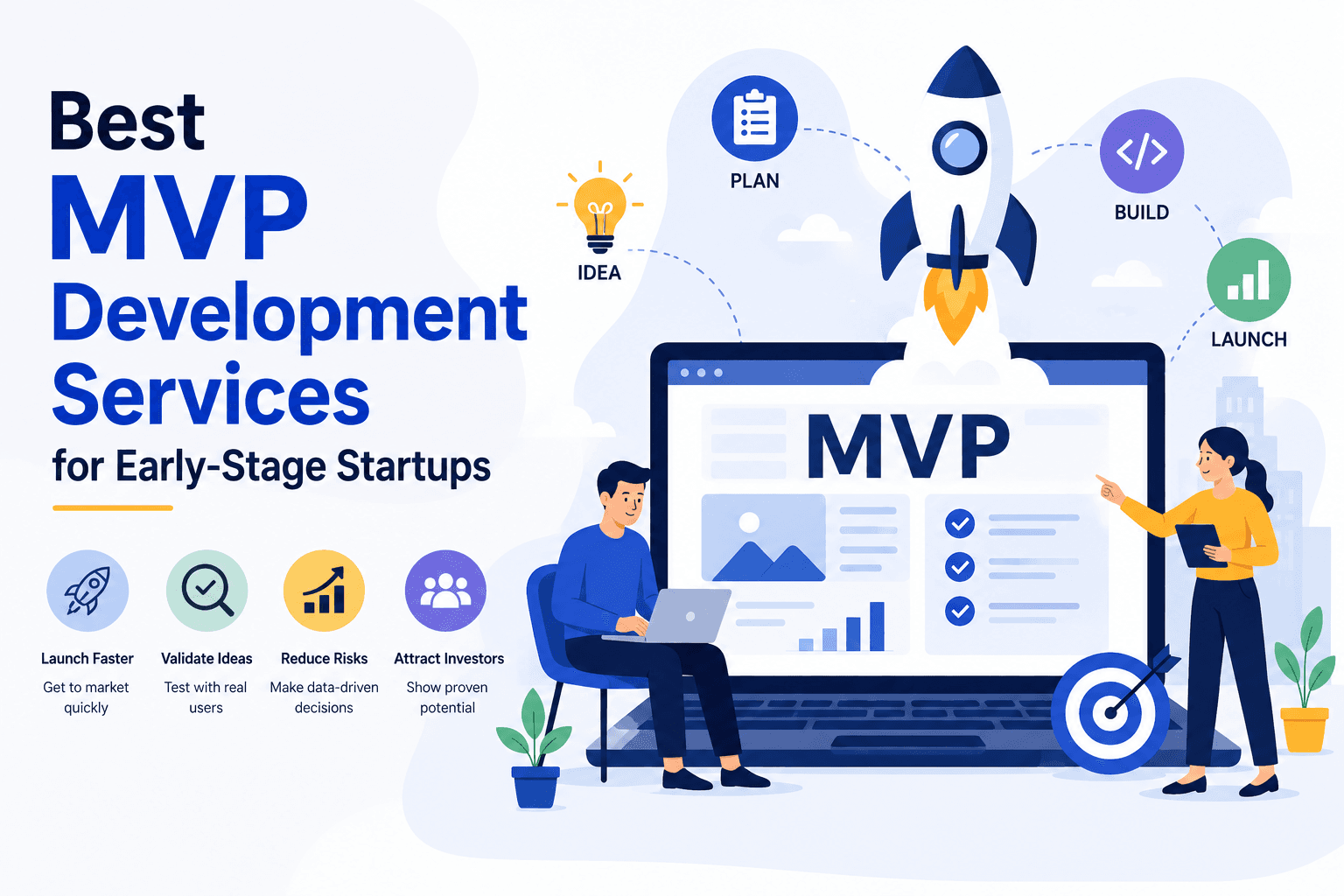
MVP development services help startups:
- Minimize upfront investment
- Test product-market fit
- Attract investors
- Improve decision-making
For founders with limited budgets, an MVP often represents the smartest path to market validation.
Average MVP Development Cost in 2026
The cost of building an MVP varies significantly depending on complexity and business requirements.
Basic MVP
Typical cost range:
$5,000 – $10,000
Includes:
- User registration
- Basic dashboard
- Simple functionality
- Responsive design
Best for:
- Startup validation
- Proof of concept projects
- Internal business tools
Medium Complexity MVP
Typical cost range:
$15,000 – $20,000
Includes:
- Custom UI/UX
- Third-party integrations
- Payment gateways
- User management systems
Best for:
- SaaS products
- Marketplaces
- Subscription platforms
Advanced MVP
Typical cost range:
$30,000 – $50,000+
Includes:
- AI capabilities
- Real-time functionality
- Complex integrations
- Enterprise-grade architecture
Best for:
- FinTech platforms
- Healthcare applications
- Large-scale SaaS solutions
Key Factors That Affect MVP Development Cost
Feature Complexity
The number and complexity of features directly impact development expenses.
Focus on:
- Core functionality
- Essential user journeys
- Validation-focused features
Avoid feature overload during the MVP phase.
UI/UX Design Requirements
User experience can significantly influence development costs.
A professionally designed interface improves:
- User engagement
- Customer retention
- Product adoption
Technology Stack
Technology choices affect:
- Development speed
- Maintenance costs
- Future scalability
Popular MVP technologies include:
- React
- Next.js
- Node.js
- Python
- AWS
Development Team Location
Development costs vary by region.
USA-based teams generally charge more than offshore development partners, but communication, expertise, and project management quality should also be considered.
MVP Development Cost Breakdown
Product Discovery
Activities include:
- Market research
- Competitor analysis
- Feature prioritization
Estimated Cost:
5–10% of the total project budget
UI/UX Design
Activities include:
- Wireframes
- Prototypes
- User interface design
Estimated Cost:
10–20% of the total budget
Development
This represents the largest cost component.
Activities include:
- Frontend development
- Backend development
- Database setup
- API integration
Estimated Cost:
50–70% of the total budget
Quality Assurance
Activities include:
- Testing
- Bug fixes
- Performance optimization
Estimated Cost:
10–15% of the total budget
How Startups Can Reduce MVP Development Costs
Prioritize Essential Features
Focus on solving one primary problem.
Avoid:
- Complex automation
- Advanced reporting
- Non-essential integrations
Choose the Right Development Partner
An experienced MVP development company can help reduce costs by avoiding common mistakes.
Internal Linking Opportunity:
Explore our MVP Development Services to learn how startups can efficiently build scalable products.
Use Agile Development
Agile methodologies allow startups to:
- Launch faster
- Gather feedback sooner
- Reduce rework costs
Build for Validation, Not Perfection
Successful MVPs prioritize learning over feature completeness.
The goal is to test assumptions and improve based on real user feedback.
Common MVP Development Mistakes
Building Too Many Features
Feature overload increases costs and delays launches.
Ignoring User Feedback
The purpose of an MVP is to learn from users.
Choosing the Cheapest Option
Low-cost development often leads to technical debt and future expenses.
Skipping Market Research
Understanding customer needs is essential before development begins.
Conclusion
The MVP development cost in 2026 depends on several factors, including feature complexity, design requirements, technology stack, and development expertise. For most startups, investing in an MVP is far more cost-effective than building a complete product without validation.
By focusing on essential features, choosing the right development partner, and adopting an agile approach, startups can launch faster, reduce risks, and achieve product-market fit more efficiently. The right MVP strategy not only saves money but also lays the foundation for long-term business success.
Frequently Asked Questions
Most startup MVPs range from $5,000 to $50,000+, depending on complexity and feature requirements.
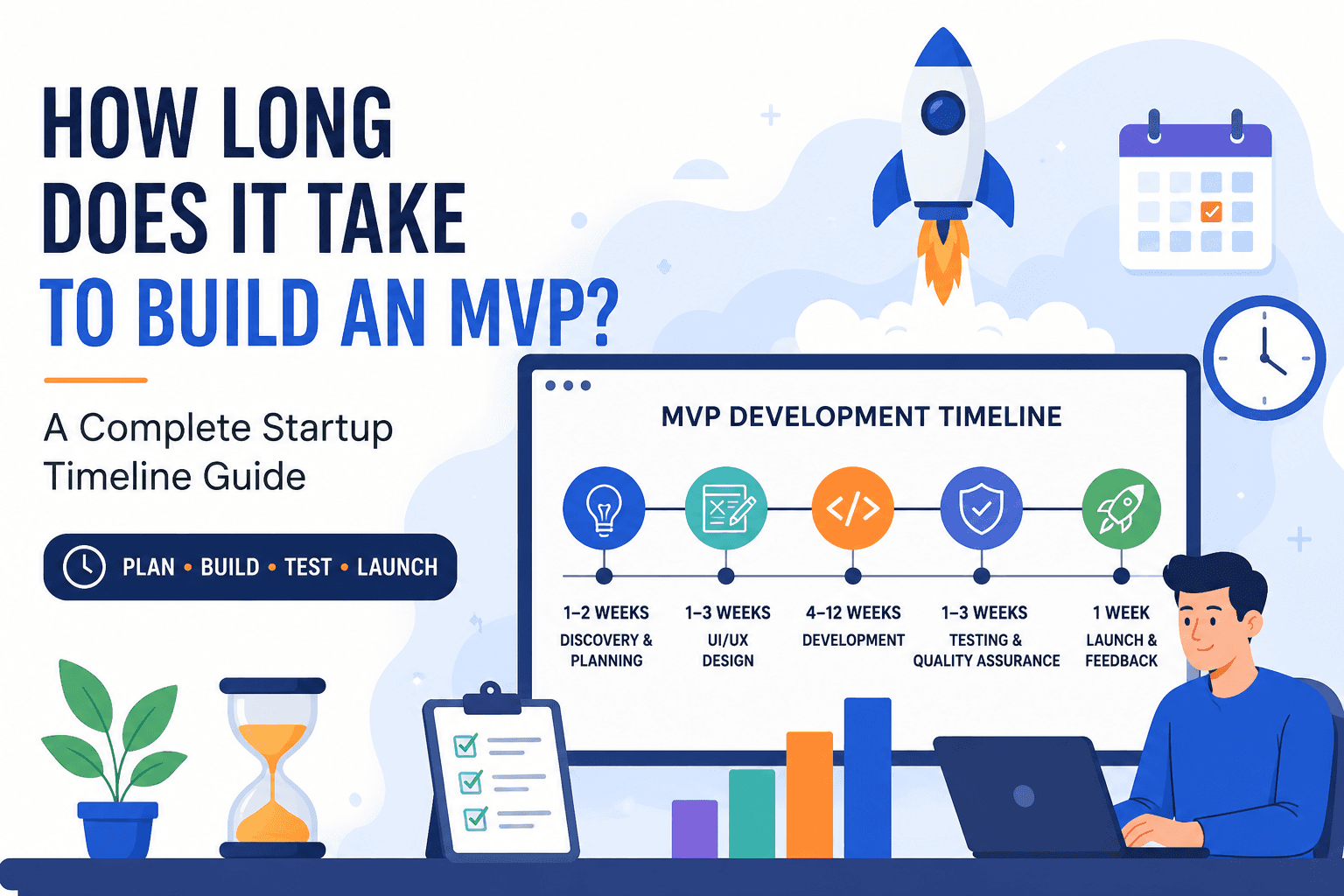
Most MVP projects take between 6 and 16 weeks to complete.
Yes. A well-architected MVP can evolve into a fully featured application as the business grows.
Absolutely. MVP development reduces risk, validates demand, and helps startups make data-driven product decisions.
5 min read

Dhruv Patel
Dhruv Patel is the CEO of Zyora Global, bringing a strong technology background and a passion for building scalable digital solutions. With expertise in software development, product strategy, and business growth, he leads the company in delivering innovative web, mobile, AI, and enterprise solutions that help businesses accelerate their digital transformation.