


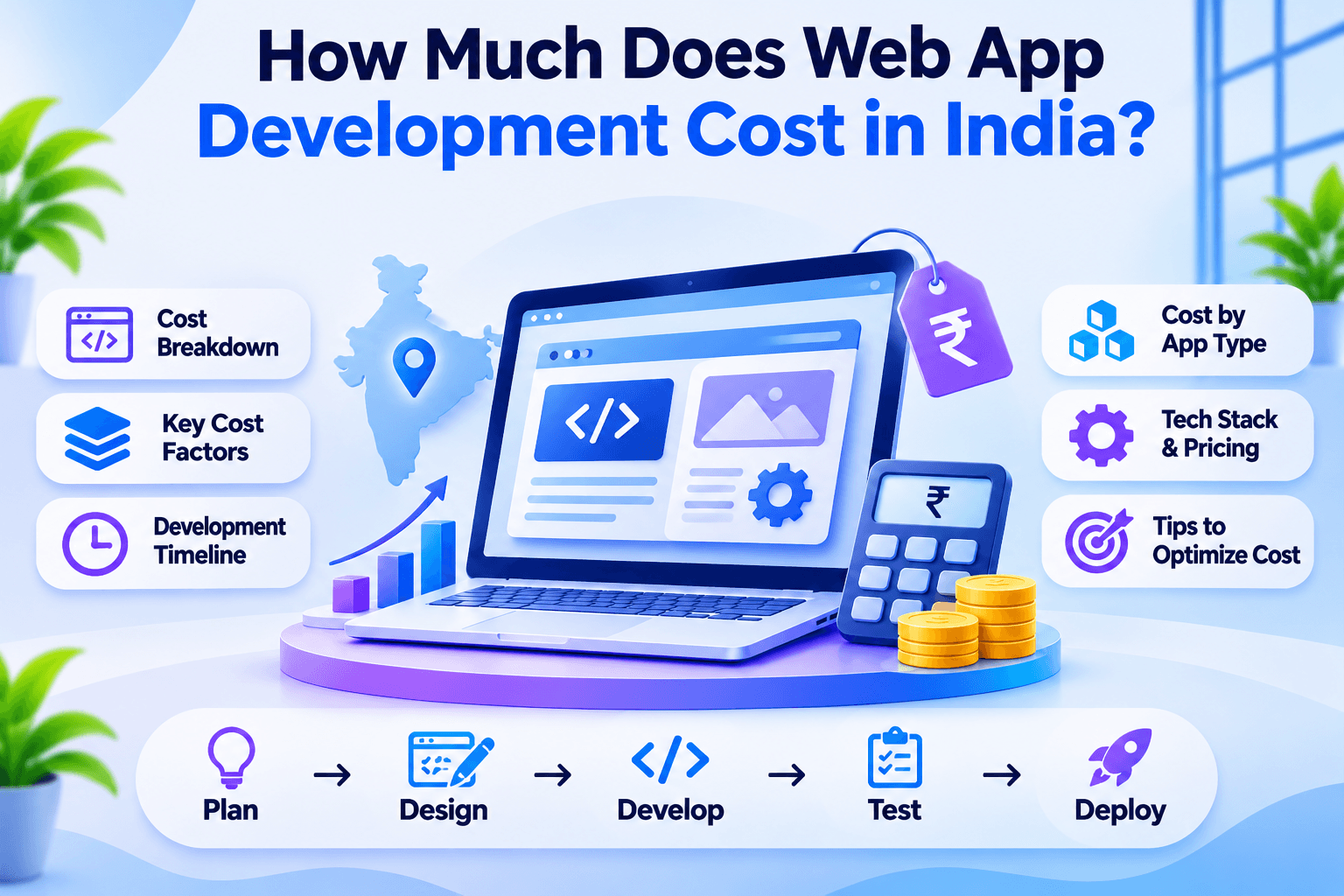
Quick Summary :- Web app development in India can cost approximately ₹2 lakh to ₹1 crore or more in 2026, depending on the application's complexity, features, integrations, technology stack, and development team. Basic applications require smaller budgets, while SaaS and enterprise platforms need more advanced architecture, security, and testing. This guide covers estimated development costs, feature-wise pricing factors, timelines, technology choices, additional expenses, and practical ways to reduce costs without compromising quality.
Developing a web application is an important investment for businesses planning to digitize operations, launch online services, automate workflows, or build new digital products. From simple customer portals to complex SaaS platforms, web applications help organizations manage information, connect with customers, and deliver services through a browser.
However, one of the first questions businesses ask before starting development is: How much does web app development cost in India in 2026?
The answer depends on several factors, including application complexity, features, user roles, technology stack, integrations, security requirements, development team experience, and project timeline. A basic web application may require a relatively modest investment, while a multi-user enterprise platform with real-time functionality, payment processing, advanced analytics, and complex integrations can cost considerably more.
India has become an important destination for software development because businesses can access a broad technology talent pool and different engagement models, including freelancers, development agencies, dedicated teams, and in-house developers. However, choosing a development partner based only on the lowest quotation can lead to problems with code quality, scalability, security, and long-term maintenance.
This guide explains web app development costs in India in 2026, with estimated budgets for different application types, feature-wise cost factors, technology considerations, development timelines, maintenance expenses, and practical ways to control your budget.
What Is Web App Development?
Web app development is the process of designing, building, testing, and deploying an application that users access through a web browser. Unlike a basic informational website, a web application allows users to interact with data, perform actions, manage accounts, submit information, and complete business processes.
For example, an online banking application allows customers to view account information, transfer money, and manage transactions. An inventory management application helps employees track products, stock levels, suppliers, and orders.
Web applications typically include a frontend, backend, database, APIs, and hosting infrastructure.
Common examples of web applications
Web application type | Main purpose | Example features |
Customer portal | Manage customer interactions | Login, account details, service requests |
E-commerce platform | Sell products online | Product listings, cart, checkout, payments |
CRM application | Manage customer relationships | Lead tracking, sales pipeline, reports |
ERP application | Connect business operations | Inventory, procurement, finance, HR |
SaaS platform | Deliver subscription-based software | User accounts, billing, dashboards |
Healthcare application | Manage healthcare workflows | Appointments, patient records, reports |
Learning management system | Deliver and manage education | Courses, assessments, progress tracking |
Project management application | Coordinate work | Tasks, deadlines, collaboration, reporting |
Web application vs. website: What is the difference?
A website mainly presents information, while a web application provides interactive functionality and processes user input.
Factor | Website | Web application |
Primary purpose | Share information | Perform tasks and processes |
User interaction | Usually limited | Often extensive |
Backend logic | May be minimal | Usually more complex |
Database | Not always required | Commonly required |
Authentication | Optional | Frequently required |
Development complexity | Usually lower | Depends on features and workflows |
Examples | Company website, blog | CRM, booking platform, SaaS product |
A five-page business website and a customer management application should not be treated as equivalent development projects. The latter requires more functionality, data handling, security, and testing, which can significantly affect the budget.
Web App Development Cost in India in 2026
The cost of developing a web application in India varies according to its complexity and intended use.
A useful 2026 planning range is approximately ₹2 lakh to ₹1 crore or more. A focused application with basic functionality may sit near the lower end, while a large enterprise platform with complex workflows, integrations, and high availability requirements may exceed the upper end.
For another market reference, GoodFirms' 2026 web development cost guide reports Indian web development hourly rates ranging from approximately ₹700 to ₹6,000 or more, depending on the provider and project requirements. These are broad market estimates rather than fixed rates for every web application.
Estimated web application development costs
Type of web application | Estimated development cost | Estimated timeline |
Basic web application | ₹2 lakh–₹6 lakh | 4–8 weeks |
Small business application | ₹5 lakh–₹10 lakh | 2–3 months |
Medium-complexity application | ₹8 lakh–₹18 lakh | 3–5 months |
SaaS MVP | ₹5 lakh–₹15 lakh | 2–4 months |
Full SaaS platform | ₹10 lakh–₹30 lakh+ | 4–8 months |
Enterprise web application | ₹25 lakh–₹1 crore+ | 6–12+ months |
Complex marketplace | ₹15 lakh–₹40 lakh+ | 4–9 months |
Planning estimates only. Categories overlap because a SaaS MVP may be relatively simple, while a business application may have complex integrations. Timelines depend on scope, approvals, team size, and testing requirements.
Chart: Estimated web app development budget
Indicative web application development budgets in India
Illustrative budget bands in lakh INR. Bars show representative planning points, not market averages or quotations.
₹0 lakh₹15 lakh₹30 lakh₹45 lakh₹60 lakhBasic appBusiness appSaaS MVPFull SaaSEnterprise app
The representative values in the chart are planning examples within the broad cost bands above. They are not statistical averages.
Basic web application: ₹2 lakh–₹6 lakh
A basic web application usually includes a limited number of features and user roles.
Examples include:
- Simple appointment booking applications
- Employee leave management systems
- Basic inventory tracking tools
- Customer inquiry portals
- Small internal business applications
A basic application may include login functionality, a dashboard, data entry forms, a database, and simple reporting.
This category is suitable for startups and small businesses that want to digitize a specific process without building a large platform.
Small business web application: ₹5 lakh–₹10 lakh
A small business application may include more workflows, additional user permissions, and integrations.
Examples include:
- Customer management portals
- Order management applications
- Small vendor management systems
- Business reporting applications
- Service booking platforms
These applications may require admin panels, multiple user roles, email notifications, and connections with external services.
Medium-complexity web application: ₹8 lakh–₹18 lakh
Medium-complexity applications generally support multiple departments, user types, and business processes.
Examples include:
- Learning management systems
- B2B order management platforms
- Healthcare administration portals
- Logistics management applications
- Multi-location business applications
They may include role-based access control, advanced dashboards, payment integrations, automated workflows, and more extensive reporting.
SaaS MVP: ₹5 lakh–₹15 lakh
A SaaS MVP is an initial version of a subscription-based product designed to validate a business idea with real users.
It may include:
- User registration and authentication
- User dashboards
- Core product functionality
- Subscription plans
- Payment integration
- Basic administration
- Usage tracking
The objective is to launch the essential functionality without investing in every feature planned for the final product.
Full SaaS platform: ₹10 lakh–₹30 lakh or more
A complete SaaS platform usually requires more advanced functionality than an MVP.
It may include:
- Multi-tenant architecture
- Subscription and billing management
- Advanced user permissions
- API integrations
- Analytics and reporting
- Automated notifications
- Data import and export
- Usage monitoring
- Security and audit controls
Costs can increase significantly when the application needs real-time collaboration, high transaction volumes, complex integrations, or advanced data processing.
Enterprise web application: ₹25 lakh–₹1 crore or more
Enterprise applications are designed to support larger organizations with complex operational requirements.
Examples include:
- Enterprise resource planning systems
- Large customer management platforms
- Financial management applications
- Supply chain platforms
- Multi-department workflow systems
They may require advanced security, high availability, extensive integrations, data migration, audit logging, and specialized infrastructure.
The final cost depends heavily on the number of departments, users, systems, workflows, and regulatory requirements.
What Factors Affect Web App Development Cost?
Two applications may have similar names but very different development budgets. A basic booking application and a multi-location booking platform may both allow customers to reserve appointments, but the second may require more user roles, payment workflows, calendar synchronization, notifications, and reporting.
The following factors have a major influence on the final development cost.
Application complexity
Complexity is one of the biggest cost drivers.
A simple application may contain a login page, dashboard, forms, and basic database operations. A complex application may include multiple workflows, advanced permissions, real-time updates, integrations, and large-scale data processing.
As complexity increases, the development team needs more time for architecture, implementation, testing, and optimization.
Number of features
Every feature requires planning, development, and testing.
For example, a basic customer portal may only need login, profile management, and service requests. A more advanced portal may require payment processing, document uploads, notifications, customer support, analytics, and third-party integrations.
The more features included in the initial release, the greater the development effort.
User roles and permissions
Applications with multiple user types require additional access-control logic.
A healthcare platform, for example, may have separate roles for:
- Patients
- Doctors
- Receptionists
- Administrators
- Laboratory staff
- Billing teams
Each role may need different dashboards, permissions, and workflows. Designing and testing these access rules adds to development effort.
UI/UX design requirements
User interface and user experience design influence both development time and overall application quality.
A simple internal dashboard may need a straightforward interface. A customer-facing SaaS product may require detailed user journeys, interactive prototypes, responsive layouts, and usability testing.
Design work may include:
- User research
- Wireframing
- Interface design
- Interactive prototyping
- Design systems
- Responsive layouts
- Accessibility considerations
A good interface can improve usability and reduce the effort users need to complete tasks.
Backend development
The backend handles business logic, authentication, data processing, APIs, and communication with the database.
Applications with complex calculations, automated workflows, transaction processing, or multiple integrations generally require more backend engineering.
For example, an inventory application that only stores product details is less complex than a system that automatically updates stock, manages purchase orders, tracks warehouse movements, and synchronizes information across multiple locations.
Database architecture
Database requirements depend on the type and volume of information the application needs to store.
A small application may use a relatively simple database structure. A large SaaS product may require data isolation between customers, advanced indexing, backup strategies, reporting databases, and performance optimization.
The database should be designed around expected usage and future growth rather than only the initial data volume.
Third-party integrations
Integrations allow a web application to communicate with external services.
Common examples include:
- Payment gateways
- Email services
- SMS providers
- Maps and location APIs
- CRM platforms
- Accounting systems
- Cloud storage
- Identity verification services
- Analytics platforms
Each integration requires configuration, API development, error handling, testing, and sometimes additional subscription or usage charges.
Security requirements
Security should be included from the beginning of development.
Depending on the application, security-related work may include:
- Secure authentication
- Role-based access control
- Data encryption
- Session management
- Input validation
- Audit logging
- Backup and recovery
- Vulnerability testing
- Secure API design
Applications handling financial, healthcare, personal, or confidential business information may require additional security and compliance work.
Performance and scalability
An application designed for a small number of users may not be suitable for thousands of concurrent users.
Higher traffic and transaction volumes can require:
- Caching
- Database optimization
- Load balancing
- Background processing
- Cloud infrastructure
- Performance testing
- Monitoring and alerting
The development team should understand expected usage before choosing an architecture.
Development team experience
The experience and composition of the development team can influence both cost and project quality.
A project may require frontend developers, backend developers, UI/UX designers, QA engineers, DevOps specialists, and project managers.
A senior technical architect may cost more than a junior developer, but the right architectural decisions can reduce rework and long-term maintenance problems.
Web App Development Cost Breakdown by Feature
A useful way to estimate a web application budget is to divide the project into major development components.
The following breakdown is an illustrative allocation for a medium-complexity application. Actual percentages vary according to the product and project scope.
Development component | Illustrative share of budget |
Requirement analysis and planning | 8% |
UI/UX design | 12% |
Frontend development | 20% |
Backend development | 25% |
Database and integrations | 12% |
Testing and quality assurance | 13% |
Deployment and launch | 5% |
Project management and documentation | 5% |
Total | 100% |
Requirement analysis and planning
Before development begins, the team needs to understand the business problem and translate it into technical requirements.
This stage may include stakeholder discussions, workflow analysis, feature prioritization, technical feasibility, and project estimation.
Skipping this step can result in unclear requirements and expensive changes later.
UI/UX design
The design team creates wireframes, user journeys, visual layouts, and prototypes.
The cost depends on the number of screens, user roles, design complexity, and whether a custom design system is required.
Frontend development
Frontend developers build the part of the application users interact with.
This may include dashboards, forms, navigation, responsive layouts, data tables, charts, and interactive components.
Common frontend technologies include React, Next.js, Angular, and Vue.js.
Backend development
Backend development includes APIs, authentication, business logic, data processing, and application workflows.
Common backend technologies include Node.js, Python, Java, PHP, and .NET.
The selected technology should fit the application's requirements and the development team's expertise.
Database and integrations
This stage includes database design, API connections, third-party service integration, data migration, and synchronization.
The cost depends on the number of integrations, data complexity, and reliability requirements.
Testing and quality assurance
Testing ensures that the application works correctly across supported devices, browsers, user roles, and workflows.
It may include functional testing, integration testing, regression testing, performance testing, security testing, and user acceptance testing.
Deployment and launch
The deployment stage includes production environment setup, domain and SSL configuration, database preparation, monitoring, backups, and release management.
The final cost depends on the infrastructure and deployment process.
Cost of Web App Development Based on Technology Stack
Technology selection influences development cost, performance, scalability, hiring availability, and long-term maintenance.
There is no single technology stack that is best for every application. The right choice depends on product requirements, developer expertise, integrations, and expected workload.
Technology layer | Common technologies | Typical use |
Frontend | React, Next.js, Angular, Vue.js | User interfaces and interactive features |
Backend | Node.js, Python, Java, PHP, .NET | APIs and business logic |
Database | PostgreSQL, MySQL, MongoDB | Data storage and retrieval |
Cloud infrastructure | AWS, Microsoft Azure, Google Cloud | Hosting and infrastructure |
Authentication | OAuth, OpenID Connect, managed identity services | User authentication and authorization |
DevOps | Docker, Kubernetes, CI/CD tools | Deployment and infrastructure automation |
Testing | Playwright, Cypress, Selenium, Jest | Software quality and automated testing |
Popular technology stack combinations
MERN stack
MongoDB, Express.js, React, and Node.js are commonly used together to build JavaScript-based applications.
This combination can be suitable for dashboards, customer portals, and interactive web products.
Next.js with Node.js
Next.js can support frontend development and server-side functionality, while a separate Node.js backend can handle APIs and business logic.
This approach is useful when the application requires structured frontend routing, server rendering, and custom backend services.
Python with Django or FastAPI
Python frameworks can be useful for applications involving data processing, business automation, APIs, and AI-related functionality.
Java or .NET
These technologies can be appropriate for enterprise applications that require structured architectures, complex business logic, and integration with existing enterprise systems.
Does choosing a popular technology reduce cost?
Not automatically.
A widely used framework may provide access to a larger developer community and existing libraries. However, development cost still depends on the product requirements, engineering experience, architecture, and quality expectations.
Businesses should select technology based on long-term suitability rather than choosing a framework simply because it is trending.
Web App Development Cost Based on Hiring Model
The development partner or hiring model also affects the overall budget.
Startups and businesses in India commonly consider freelancers, in-house developers, software development agencies, and dedicated development teams.
Hiring model | Pricing approach | Main advantage | Main consideration |
Freelancer | Hourly or project-based | Flexible for limited tasks | Coordination and availability |
In-house team | Salary and employment costs | Direct control | Recruitment and ongoing overhead |
Development agency | Fixed price or time and materials | Managed project delivery | Scope and contract clarity |
Dedicated development team | Monthly engagement | Ongoing development capacity | Requires product direction |
Staff augmentation | Hourly or monthly resources | Adds specific skills to an existing team | Internal management required |
Hiring freelancers
Freelancers may be suitable for small applications, prototypes, design work, or individual development tasks.
However, complex applications often require several different skill sets. Coordinating multiple freelancers can create additional project management responsibilities.
Building an in-house team
An in-house team provides direct control over development and technical decisions.
However, businesses need to consider recruitment, salaries, employee benefits, equipment, training, and ongoing management.
Hiring a software development agency
A development agency can provide a coordinated team that handles planning, design, development, testing, and deployment.
This can be suitable for businesses that want an external partner to manage project delivery.
Hiring a dedicated development team
A dedicated team works continuously on the company's product under an agreed engagement.
This model can be useful for SaaS products and businesses that require ongoing development and regular feature releases.
Using IT staff augmentation
Staff augmentation allows companies to add external developers and specialists to an existing internal team.
It can be suitable when the business already has technical leadership but needs additional development capacity.
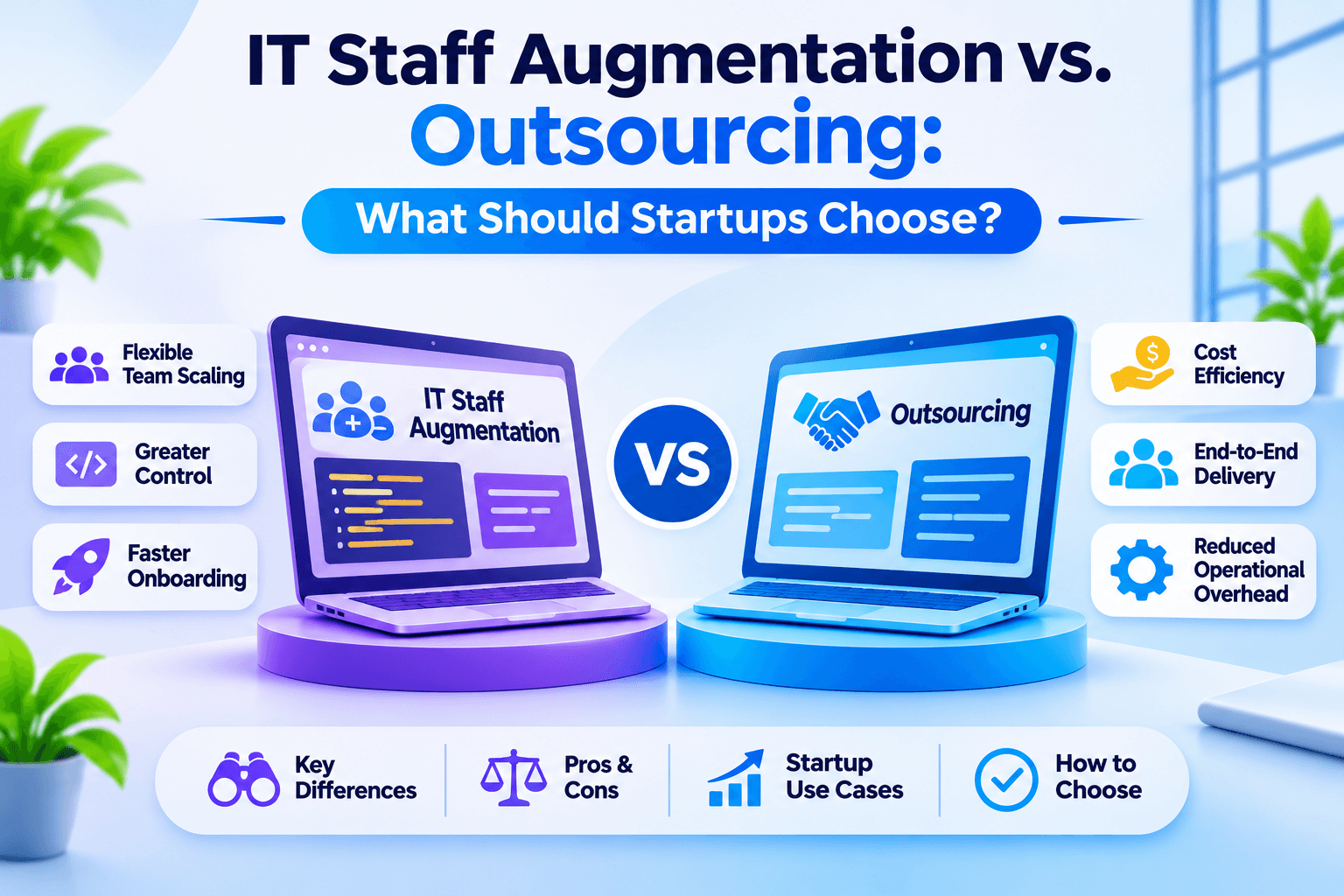
For a detailed comparison of these approaches, see our related guide on IT Staff Augmentation vs. Outsourcing: What Should Startups Choose?.
Web App Development Timeline in India
Development time affects project cost because longer projects generally require more engineering, coordination, and testing effort.
The timeline depends on feature complexity, team size, integrations, approval cycles, and how clearly the requirements are defined.
Project type | Estimated timeline |
Basic web application | 4–8 weeks |
Small business application | 2–3 months |
Medium-complexity application | 3–5 months |
SaaS MVP | 2–4 months |
Full SaaS platform | 4–8 months |
Enterprise application | 6–12+ months |
These are planning estimates, not guaranteed delivery schedules. For comparison, Selyst's 2026 India web application cost guide estimates approximately 2–4 months for basic applications, 4–7 months for medium-complexity applications, and 8–14 months for SaaS or enterprise systems.
Stages of the development timeline
Typical web application development process
- Discovery and planning
Requirements, features, scope and estimates - UI/UX design
Wireframes, prototypes and interface design - Frontend and backend development
Application features, APIs and database implementation - Testing and quality assurance
Functional, integration, security and performance testing - Deployment and launch
Production setup, release and user onboarding - Maintenance and improvement
Monitoring, fixes and future enhancements
What can delay a web application project?
- Frequently changing requirements
- Delayed stakeholder approvals
- Complex third-party integrations
- Unclear business workflows
- Data migration problems
- Unexpected security requirements
- Insufficient testing time
- Limited availability of technical resources
A realistic development plan should include time for feedback, revisions, testing, and deployment rather than estimating only the coding effort.
Additional Costs After Web App Development
The initial development quotation does not always include the expenses required to operate the application after launch.
Businesses should prepare a separate operational budget for hosting, maintenance, security, third-party services, and future improvements.
Hosting and cloud infrastructure
A web application needs an environment where its frontend, backend, and database can run.
Hosting costs depend on traffic, storage, computing resources, database size, backup requirements, and uptime expectations.
Cloud providers include AWS, Microsoft Azure, and Google Cloud.
A small application may operate on a relatively inexpensive setup, while a large platform may need multiple servers, managed databases, caching, monitoring, and load balancing.
Domain and SSL
A domain name gives users an address through which they can access the application.
SSL/TLS certificates help secure communication between the browser and application server. Certificate costs vary depending on the provider and certificate type; many hosting providers also offer automated certificates.
Maintenance and support
Maintenance includes bug fixes, security updates, dependency upgrades, monitoring, backups, and performance improvements.
As a planning assumption, businesses can consider budgeting approximately 15–25% of the initial development cost annually for maintenance, depending on the application's complexity and support requirements. This is a budgeting guideline, not a universal industry rate.
Third-party API charges
Some applications depend on external services.
These may include:
- Payment processing
- SMS notifications
- Email delivery
- Maps and location services
- Identity verification
- Analytics
- AI APIs
- Cloud storage
Some services charge based on monthly subscriptions, while others charge according to usage.
Security and compliance
Applications handling sensitive information may require periodic security testing, vulnerability assessments, compliance reviews, and additional monitoring.
These costs should be planned according to the application's risk profile and regulatory obligations.
Feature enhancements
After launch, businesses often introduce additional features based on customer feedback.
Examples include mobile responsiveness improvements, additional dashboards, new integrations, advanced reporting, and workflow automation.
These enhancements should be treated as a separate development budget.
Illustrative annual operating budget
Expense | Example annual planning allowance |
Hosting and infrastructure | ₹60,000–₹3,00,000 |
Maintenance and support | 15–25% of initial development cost |
Third-party services | ₹20,000–₹1,50,000+ |
Security assessments | Depends on application risk |
Feature enhancements | Based on roadmap and scope |
These are illustrative planning allowances, not vendor price quotes. Actual hosting and service charges depend on usage, provider, region, configuration, and taxes.
How to Reduce Web App Development Costs Without Compromising Quality
Reducing the budget should not mean removing essential security controls, skipping testing, or choosing unsuitable architecture.
Instead, businesses should focus on controlling scope, prioritizing valuable features, and avoiding unnecessary development.
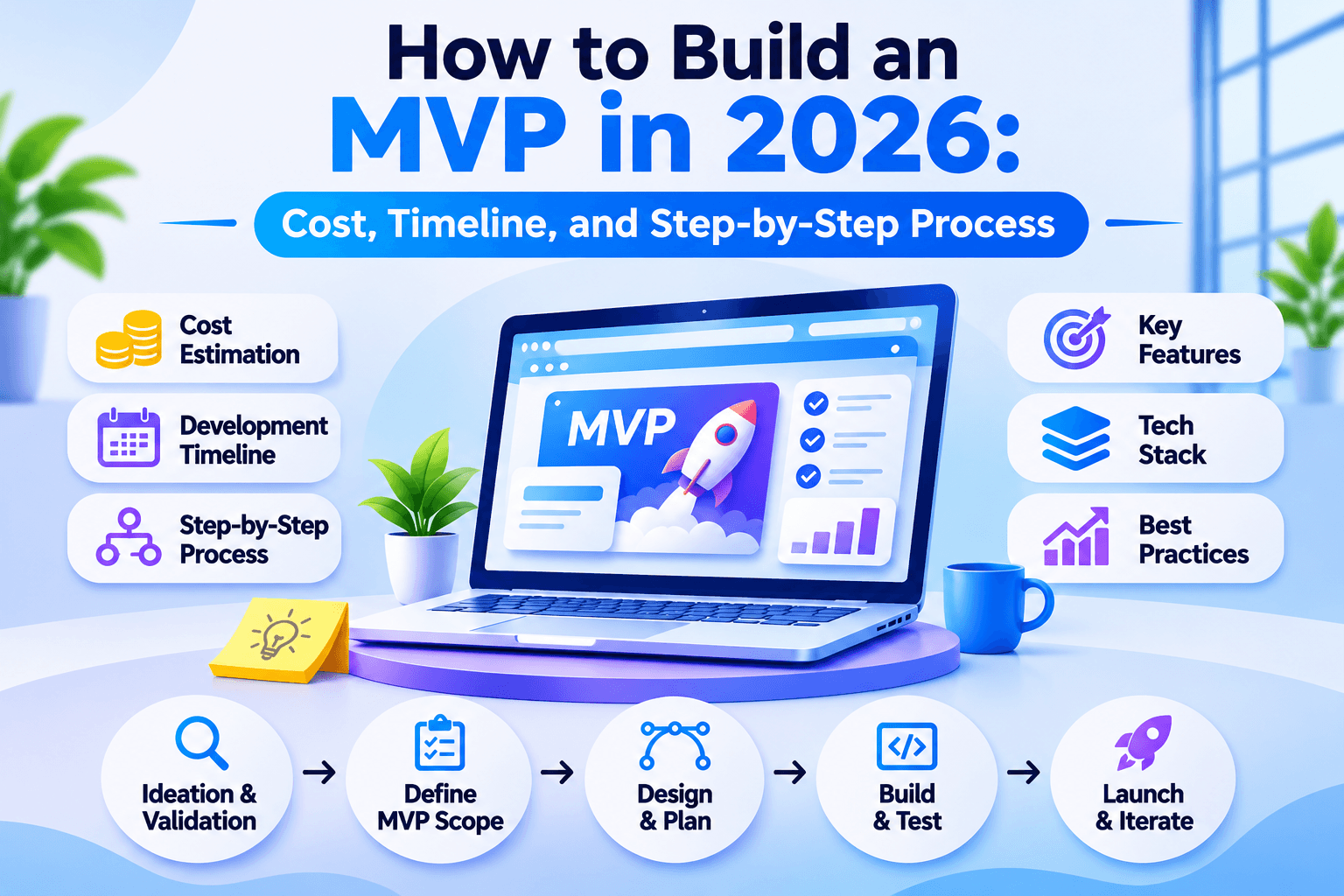
Start with an MVP
An MVP includes only the essential functionality needed to test a product idea.
For example, a new booking platform may initially need:
- User registration
- Service listings
- Booking functionality
- Basic payments
- Admin management
Advanced analytics, recommendation engines, loyalty programs, and complex automation can be added later.
This helps businesses validate demand before committing to a larger investment.
Prioritize features
Use a structured approach to classify features.
Priority | Feature type | Development approach |
High | Essential product functionality | Build in the first release |
Medium | Useful improvements | Plan for the next phase |
Low | Optional enhancements | Consider after user feedback |
This prevents the first release from becoming unnecessarily large.
Choose the right technology stack
Select technologies based on the product's requirements and the team's capabilities.
Using familiar, well-supported frameworks can help reduce development friction and make future maintenance easier.
Use existing services where appropriate
Not every component needs to be developed from scratch.
Businesses can use managed authentication services, cloud databases, payment gateways, email services, and other established solutions when they meet the requirements.
However, they should evaluate licensing costs, data handling, vendor dependency, and integration limitations.
Define requirements before development
Clear documentation reduces misunderstandings and rework.
Before development starts, identify the key user roles, workflows, features, integrations, and expected outcomes.
Develop in phases
A phased approach allows businesses to distribute investment over time.
For example:
- Phase 1: MVP and essential workflows
- Phase 2: Advanced features and integrations
- Phase 3: Automation and analytics
- Phase 4: Performance improvements and scaling
This makes it easier to prioritize investment according to actual business needs.
Select a suitable development partner
A reliable development partner can help identify unnecessary features, select appropriate technology, and avoid expensive architectural mistakes.
Compare providers based on technical experience, project management, communication, security practices, documentation, and post-launch support—not only price.
Why Web Applications Are Becoming Important for Indian Businesses
Businesses across India are investing in digital platforms to improve customer experiences, automate operations, and reach customers online.
According to DataReportal's Digital 2026: India report, India had approximately 1.03 billion internet users at the end of 2025, representing 70% of the population. The report also estimated that the number of internet users increased by 223 million between October 2024 and October 2025.
This growing digital audience creates opportunities for businesses to develop web-based products, customer portals, online marketplaces, and digital services.
The Indian government's Economic Survey 2025–26 also reported that the digital economy contributed 11.74% of national income in FY23, with a projection of 13.42% in FY25.
Industries investing in web applications
Industry | Common web application requirements |
Healthcare | Patient portals, appointment management, hospital administration |
Education | Learning management systems, student portals, online assessments |
Finance | Financial dashboards, transaction platforms, customer portals |
Retail | E-commerce platforms, inventory management, order tracking |
Manufacturing | Production management, quality control, supply chain applications |
Logistics | Fleet tracking, shipment management, delivery coordination |
Real estate | Property listing portals, lead management, booking platforms |
Travel and hospitality | Reservation systems, customer management, booking portals |
Why businesses are investing in web applications
- Operational automation: Reduce repetitive manual tasks and improve workflow efficiency.
- Customer accessibility: Allow customers to access services through browsers and connected devices.
- Centralized information: Bring business data and processes into a connected platform.
- Business scalability: Expand functionality and infrastructure as requirements grow.
- Better reporting: Use dashboards and analytics to understand business performance.
- Digital service delivery: Provide products and services without relying entirely on physical interactions.
How to Choose the Right Web App Development Company in India
Selecting a development partner is an important decision because the team you choose can influence application quality, delivery time, security, and long-term costs.
Before selecting a company, evaluate the following factors.
11.1 Technical experience
Check whether the company has experience with the technologies required for your application.
For example, a project may require React, Next.js, Node.js, Python, databases, cloud infrastructure, and API integrations.
Ask about the team's experience with similar applications and technical challenges.
Relevant portfolio and case studies
Review the company's previous projects to understand its development capabilities.
Look for examples involving similar functionality, industries, integrations, or application complexity.
A portfolio should demonstrate actual project experience rather than only attractive interface designs.
Development process
Understand how the company handles requirement analysis, design, development, testing, and deployment.
A structured process should include clear milestones, regular reviews, documentation, and quality assurance.
Communication and project management
Choose a partner that provides transparent communication and regular progress updates.
Ask which project management tools the team uses and how it handles delays, scope changes, and technical issues.
Security and code ownership
Confirm how the company protects source code, credentials, customer information, and business data.
The contract should clearly explain source-code ownership, intellectual property rights, documentation, third-party components, and access to repositories.
Post-launch maintenance
Ask whether the provider offers maintenance, bug fixes, security updates, performance monitoring, and future development.
A web application needs ongoing technical support after launch, so these responsibilities should be clear before signing the agreement.
Transparent pricing
Request a detailed quotation that explains:
- Development scope
- Included features
- Technology stack
- Project timeline
- Payment milestones
- Testing responsibilities
- Deployment arrangements
- Maintenance terms
- Additional charges
A transparent quotation makes it easier to compare development companies and avoid unexpected expenses.
Conclusion
Web app development costs in India in 2026 depend on application complexity, features, technology stack, integrations, security requirements, and the development team you choose. A basic application may cost around ₹2 lakh–₹6 lakh, while a business platform or SaaS product can require ₹5 lakh–₹30 lakh or more. Enterprise applications with advanced workflows, extensive integrations, and scalability requirements may require investments exceeding ₹1 crore. Businesses should also consider hosting, maintenance, security, and future enhancements when calculating the overall budget.
The best way to manage development costs is to start with clearly defined requirements, prioritize essential features, and build an MVP before expanding the application. Choosing the right technology stack and an experienced development partner can also help reduce rework and support long-term scalability. Rather than selecting a solution based only on the lowest quotation, invest in a web application that meets your business objectives, delivers a good user experience, and can grow alongside your organization.
Frequently Asked Questions
Web app development can cost approximately ₹2 lakh to ₹1 crore or more, depending on features, complexity, integrations, and scalability requirements.
A basic web application may take 4–8 weeks, while complex SaaS and enterprise platforms can take several months.
React, Next.js, Node.js, Python, Java, and .NET are popular choices. The right stack depends on project requirements.
Ongoing expenses include hosting, maintenance, security updates, third-party APIs, monitoring, and future enhancements.
Start with an MVP, prioritize essential features, define requirements clearly, choose suitable technologies, and develop additional functionality in phases.
13 min read

Dhruv Patel
As CEO of Zyora Global, Dhruv Patel combines technical expertise with business leadership to drive innovation and growth. With experience in software engineering, product development, and emerging technologies, he is dedicated to helping organizations turn ideas into impactful digital solutions that deliver measurable results.